
Yucatan: A Land that guards the Soul of the Mayan World
Discover the secrets, the millenary history, and the natural wonders that make this Mexican state an incomparable destination worldwide.
The history that built a civilization
The Yucatan Peninsula is the cradle of one of the most advanced, mysterious, and fascinating civilizations in human history: the Maya. Unlike other empires that centralized their power, the Maya built powerful city-states that competed and collaborated with each other in areas such as astronomy, mathematics, and architecture.
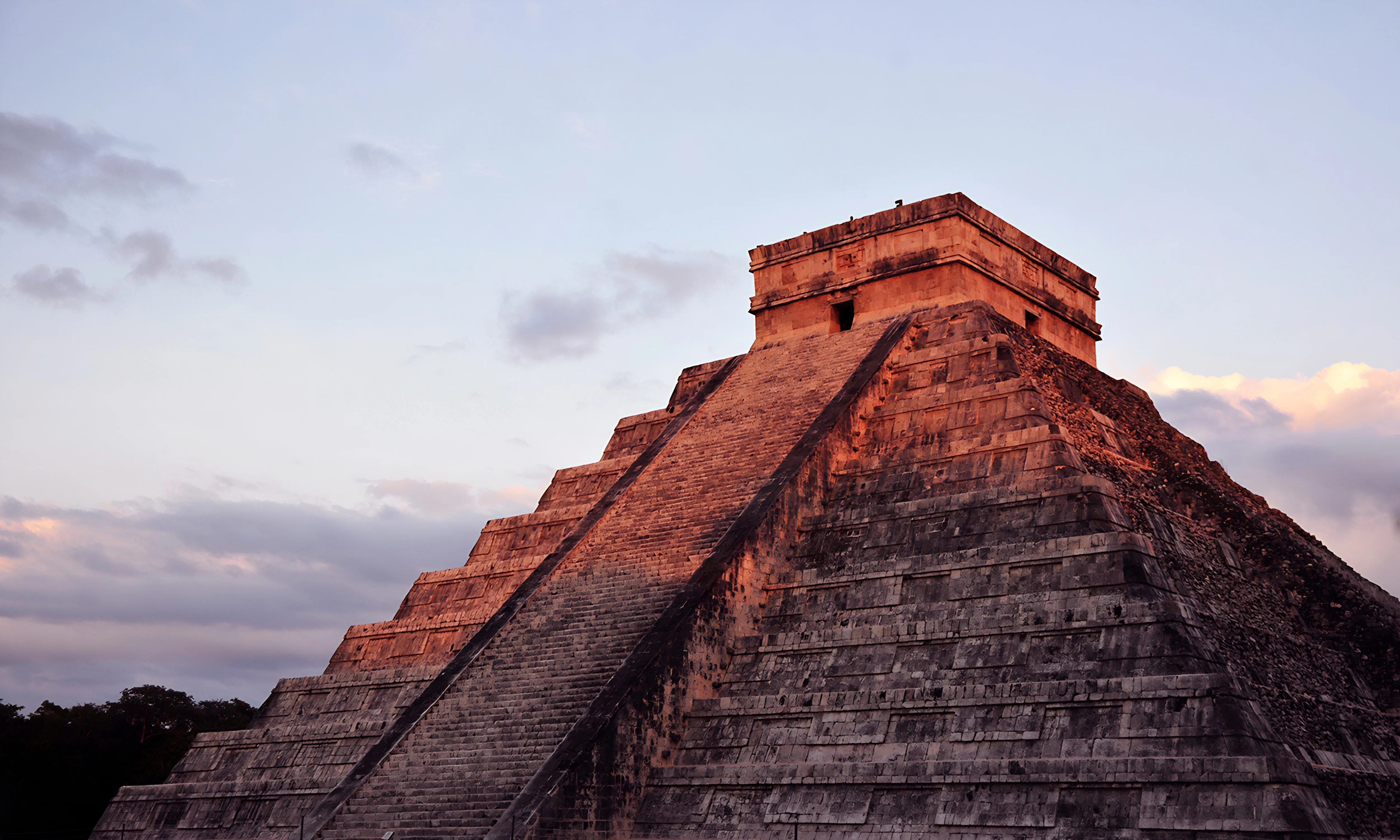
Places like Chichén Itzá and Uxmal were not simple settlements, but true centers of political, economic, and religious power. The level of astronomical precision achieved in their constructions still amazes us today, demonstrating a profound understanding of the cycles of the sun, the moon, and the stars.
What is a cenote and why is Yucatan a cenote paradise?
If there is one thing that geographically defines Yucatan, it is the cenotes. The term comes from the Mayan word ts'ono'ot, which means "cavern with water." Geologically, the peninsula is a huge, highly porous limestone platform. Over millions of years, rain filtered through and dissolved this rock, creating an immense network of underground rivers. When the roof of these caves collapses, the cenote is exposed.
For the ancient Maya, cenotes were the only source of fresh water in a region without surface rivers, but they also held profound spiritual significance: they were the gateway to Xibalbá, the Mayan underworld. It is estimated that there are over 6,000 cenotes in the state of Yucatan, classified as open, semi-open, and deep cavern.
Destinations you must visit in Yucatan
Exploring Yucatan is an endless journey, but we have selected 9 key destinations that represent the absolute essence of the state:
- The Tren Maya: The new way to connect the archaeological and natural wonders of the southeast.
- Chichén Itzá: The capital of Mayan power and a wonder of the modern world.
- Uxmal: The jewel of the Puuc Route, famous for the delicacy of its carved facades.
- Santa Bárbara: A complex that brings together several spectacular cenotes in one place.
- Izamal & Cenotes: The magical town where everything is yellow, flanked by mystical waters.
- Homún Cenotes: The epicenter of the Ring of Cenotes for authentic and rustic exploration.
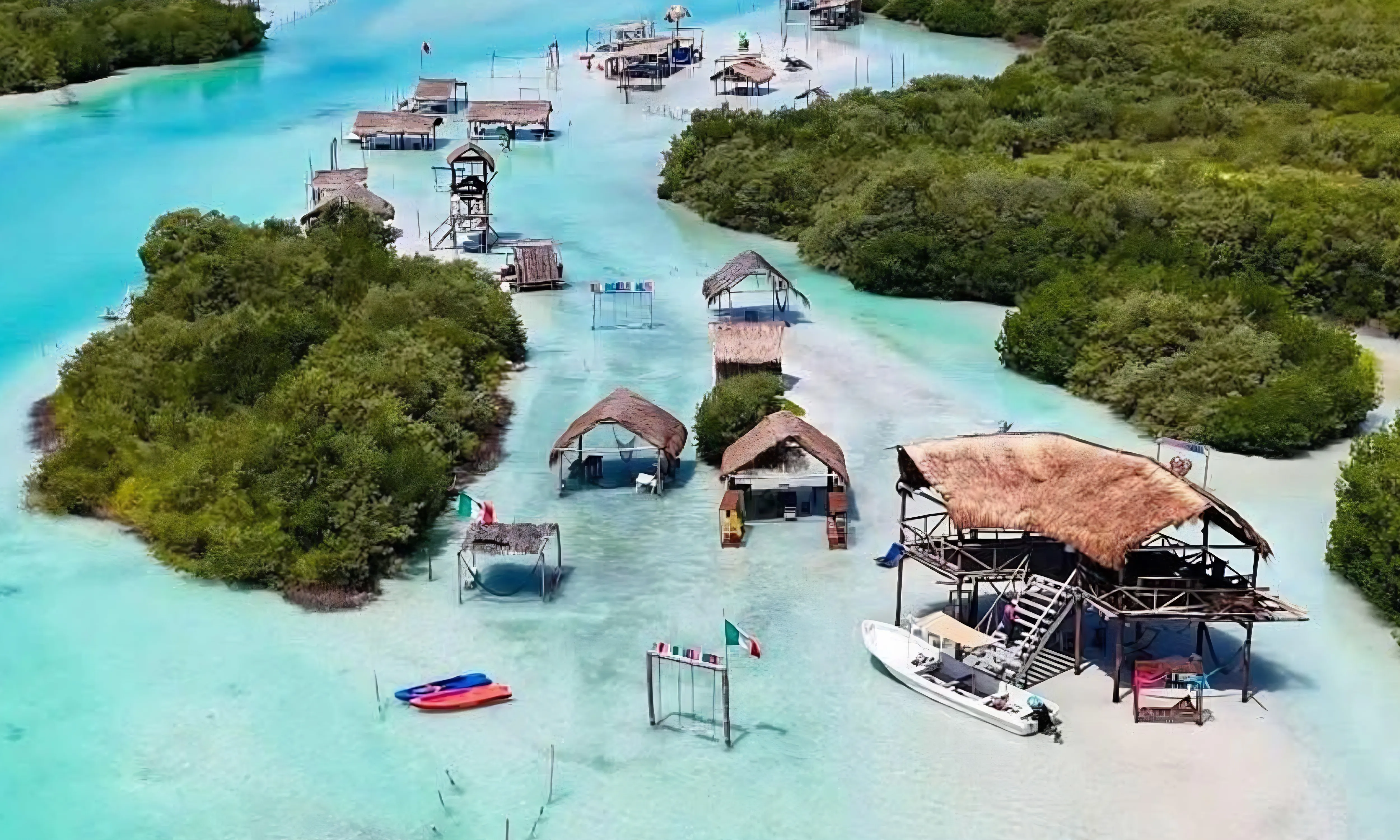
- Columpios Island & Progreso: The emerald coasts and the most important port in the state.
- Celestún: Biosphere reserve and refuge of the dazzling pink flamingo.
- Coloradas & Río Lagartos: Unreal pink lakes and spectacular marine biodiversity.
Tourism statistics in Yucatan
The charm of Yucatan does not go unnoticed. According to official data from SECTUR and INAH, the state's archaeological zones annually welcome millions of visitors from all corners of the planet. Chichén Itzá is regularly crowned as one of the most visited pre-Hispanic sites in the entire country, attracting over 2 million tourists annually. Sustainable and respectful tourism has become one of the primary economic activities of the region, driving local development.
Yucatecan customs and gastronomy
Visiting Yucatan is also a feast for the senses. Contemporary Yucatecan culture is a living mix of Mayan heritage, Spanish influence, and Caribbean touches. Traditions like Hanal Pixán (the celebration of the dead in November) or the festive Vaquerías (traditional dances with jaranas) keep the state's identity alive.
As for gastronomy, Yucatan is a world powerhouse. Cochinita Pibil cooked underground, comforting Sopa de Lima, Papadzules, and Queso Relleno are delicacies that every traveler must try. The base of corn, red recado (achiote), and habanero chili are the soul of the local cuisine.
Practical tips for visiting Yucatan
The climate in Yucatan is tropical, warm, and humid most of the year. The best time to visit is between November and March, when temperatures are more pleasant. Always wear light cotton clothing, biodegradable sunscreen (mandatory to protect the cenotes), a hat, and insect repellent.
Although Spanish is the official language, you will find English assistance in almost all tourist destinations. Moreover, you will be amazed to hear the beautiful Mayan language echoing in the markets and towns, kept alive by hundreds of thousands of speakers on the peninsula.
Ready to explore the Mayan Land?
Don't let them tell you about it. Come live the history, swim in the cenotes, and discover the flavors of Yucatan.
View Tours Catalog